Before You Start: The Nitty-Gritty Planning
So, you're dreaming of a bigger bathroom, huh? Maybe you want a double vanity, a larger shower, or just some elbow room that your current setup in an older Simi Valley home simply doesn't offer. I totally get it. I've seen countless homes around here, from Wood Ranch to Tapo Canyon, where the bathrooms feel like a total afterthought. Expanding that space can make a huge difference in your daily life. But before you grab a sledgehammer, you've really got to plan it out.
What's Your Vision (and Where's the Space Coming From)?
First things first: figure out what you actually want. Are you taking space from a closet? An unused corner of a bedroom? A hallway? This decision is huge because it dictates everything else that comes next. Think about the layout you're after. Do you need to move the toilet, shower, or sink? Moving plumbing lines, by the way, significantly increases both cost and complexity.
Permits, Permits, Permits
This isn't optional, folks. In Simi Valley, almost any bathroom remodel, especially an expansion, requires permits. We're talking about plumbing changes, electrical work, and definitely any structural modifications. The City of Simi Valley Building & Safety Division handles all this, and they're serious about compliance. If you're doing structural work, like moving a load-bearing wall, you'll need an architect or engineer to draw up plans. Seriously, don't try to skip this step; fines and rework are way more expensive than doing it right the first time. Permit approval alone can take 1-2 weeks.
Call in the Pros for Design and Structural Stuff
Look, I'm all for DIY when it makes sense, but some things are just not for the weekend warrior. If you're moving walls, especially load-bearing ones, you absolutely need a structural engineer. They'll make sure your home doesn't, you know, fall down. Structural engineers typically charge between $100 and $200 per hour, or you might pay a flat fee for specific plans, like $1,000-$3,500 for load-bearing wall removal. An architect can really help with the overall design and flow, which is crucial for a functional expanded space. Architectural fees for remodels can range from 8% to 15% of the total construction cost. These folks will make sure your plans meet all the California Building Codes, Electrical Codes, Plumbing Codes, and Energy Codes.
During the Project: What to Expect and When to Step Back
Once plans are approved and permits are in hand, the real work begins. This is where a good contractor truly earns their keep.
Demolition: The Messy Part
This is probably the only part of an expansion you might consider doing yourself, if you're careful, that is. Tearing out old fixtures, tile, and drywall. But even then, be mindful of what's behind those walls. Old Simi Valley homes, especially those built before 1980, often have galvanized plumbing pipes that need replacing, or outdated electrical wiring. You really don't want to accidentally hit a live wire or a pressurized water line. If you're removing a wall, even if you think it's not load-bearing, have a pro confirm it first. Trust me, it's worth the peace of mind.
Rough-In Work: Leave It to the Licensed Guys
This phase is all about getting the new plumbing, electrical, and HVAC lines in place before the walls close up. This is 100% professional work. You need licensed plumbers and electricians. Here's why:
- Plumbing: Any new drain or water distribution lines, or relocation of fixtures, requires a permit and licensed work. California has strict water-saving requirements, so new fixtures must meet those standards. For example, toilets need to be 1.28 gallons per flush or less, and showerheads 1.8 gallons per minute or less.
- Electrical: Expanding means new outlets, lighting, and exhaust fan wiring. All of this needs to be up to current California Electrical Code. You'll need GFCI-protected outlets near sinks, and a dedicated 20-amp circuit for bathroom receptacles. And don't forget proper ventilation; an exhaust fan is required and must vent to the outdoors, not just into the attic.
- HVAC: If you're moving or adding heating/cooling vents, that's also a job for a licensed professional.
Each of these rough-in stages will require inspections from the city before you can move on.
Insulation and Drywall: DIY Potential (with Caveats)
Once the rough-ins pass inspection, you can put up insulation and drywall. This is a task many homeowners can tackle if they have the skills and patience. Just make sure your insulation meets current energy codes. For drywall, getting it perfectly smooth for paint or tile is an art form, so if you're not confident, hire a pro for the finishing touches.
After the Walls Are Closed: Finishing Touches and Final Inspections
With the guts of the bathroom hidden, it's time for the pretty stuff.
Flooring and Tile: Some DIY, Some Pro
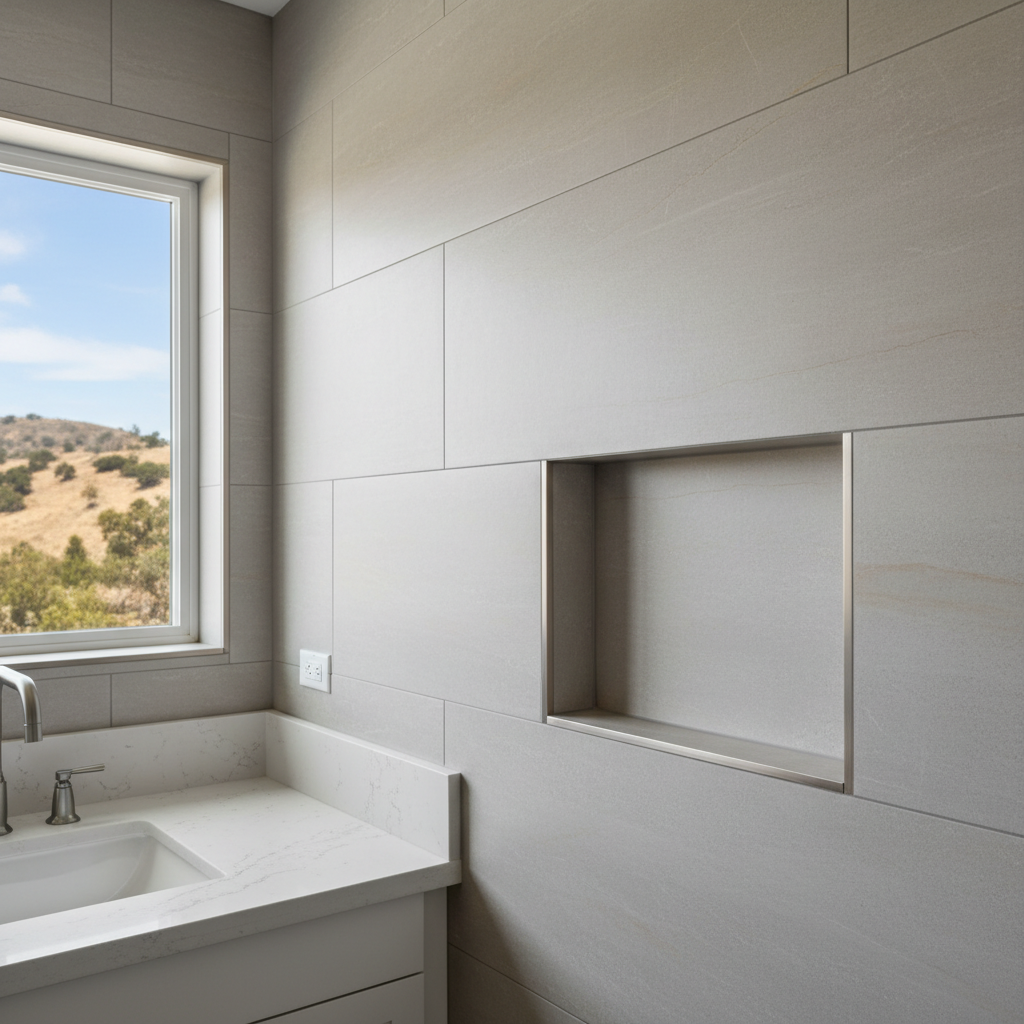
Laying floor tile or shower tile can be a DIY project if you have experience. But for a large expansion, or if you're dealing with complex patterns or large format tiles, a professional tile setter will give you a much better result. Proper waterproofing in shower areas is absolutely critical, especially with our occasional heavy rains here in Simi Valley, and that's usually best left to someone who does it every day.
Fixture Installation: You Can Do Some
Installing a new vanity, toilet, or even a basic light fixture can be a DIY job if you're comfortable with basic plumbing and electrical. However, for anything complex like a custom shower system, a freestanding tub, or intricate lighting, I'd recommend a licensed plumber or electrician. Remember, all new fixtures must meet California's water-saving standards.
Painting and Decorating: Your Time to Shine
This is where you can truly personalize your expanded bathroom. Painting, installing mirrors, towel bars, and other accessories are all great DIY tasks. Choose moisture-resistant paint for bathrooms to help prevent mildew.
Final Inspection
Once everything is done, the city will do a final inspection. They'll check that all work was completed according to the approved plans and that everything meets code. Don't skip this. It ensures your safety and protects your investment.
Expanding your bathroom is a big undertaking, but it's one of the best ways to add comfort and value to your Simi Valley home. Knowing when to roll up your sleeves and when to call in a professional is key to a successful project. If you're looking for a reliable partner for your bathroom expansion, Neighborly Bathroom & Kitchen is always here to help you navigate the process.